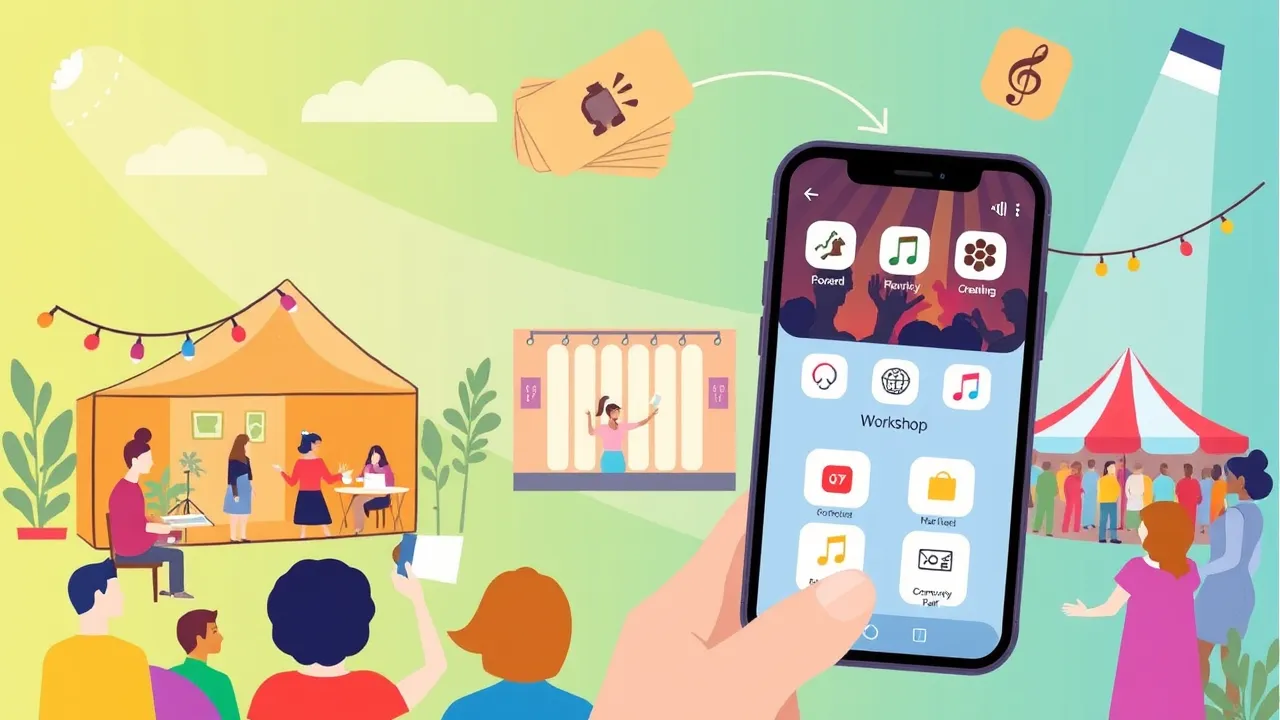
Organizing an event is exciting but also a little nerve-wracking. Between finding the perfect venue, promoting your event, and keeping attendees happy, there’s one thing that can make or break your success: how you manage your tickets.
In the past, most organizers relied heavily on big [event ticketing platforms](https://www.dreamcast.in/event-ticketing-platform.php) or agencies to handle sales. But today, DIY ticketing has changed the game. Whether you’re hosting a small workshop, a charity fundraiser, or even a large concert, you can now handle ticketing yourself and do it well.
Let’s talk about why DIY ticketing works for every occasion, how it’s transforming the event space, and how you can use it for everything from small gatherings to massive rock shows.
**What Is DIY Ticketing?**
--------------------------
Simply put, DIY ticketing (Do-It-Yourself ticketing) means you take charge of creating, managing, and selling your event tickets without relying on a middleman. Instead of using a big-ticket marketplace that takes a commission or redirects your buyers to another website, you use a system that lets you sell tickets directly from your own website or landing page.
It’s all about control. You get to design how your ticketing page looks, decide how tickets are priced, manage attendee information, and even track real-time sales under the same roof.
Modern event ticketing platforms now make this incredibly easy, even if you’re not a tech expert. You can create a ticketing system in just a few minutes with tools that are affordable, customizable, and perfect for any event type.
**Why DIY Ticketing Is Taking Over**
------------------------------------
So, what’s the big deal about DIY ticketing? Why are so many event organizers, from small creators to big brands, making the switch?
Here are a few reasons:
### **You Keep More Profits**
Third-party ticketing platforms often charge per-ticket fees or take a percentage of your sales. For small events, that can hurt your margins. With DIY ticketing, you skip those commissions and keep more of what you earn.
### **You Control the Attendee Experience**
When people buy tickets through your own branded page, they feel more connected to you. There’s no external website clutter, no competing events being promoted next to yours. Just your event, your vibe, and your branding.
### **You Own the Data**
One of the biggest perks of DIY ticketing is access to attendee data. You get insights into who’s coming, where they’re from, and how they found you. That data is gold when planning future events or running personalized marketing campaigns.
### **It’s Easier Than Ever**
Thanks to intuitive event ticketing platforms, you don’t need to know code or hire developers. Creating and customizing event pages has become easier than ever before. Collect payments and even handle check-ins digitally, all from one dashboard.
**DIY Ticketing for Small Events and Workshops**
------------------------------------------------
Let’s start small. Imagine you’re running a creative workshop. These are personal, engaging events where every attendee counts.
With ticketing for workshops, you want to make the process quick and personal. DIY ticketing lets you:
**Set flexible pricing**: Offer early-bird discounts or special group rates.
**Customize forms**: Ask attendees specific questions (like skill levels or dietary preferences).
**Send automated reminders**: Keep participants informed before the event.
**Check in guests easily**: Use QR codes or a mobile app for a smooth entry.
You don’t need a massive setup or a big budget. Many event ticketing for small events tools come with pay-as-you-go options, meaning you only pay for what you use.
This setup also works beautifully for meetups, book readings, yoga sessions, or training programs. You’re in control, and your attendees enjoy a simple, branded experience.
**Taking It Up a Notch: Ticketing for Medium-Scale Events**
-----------------------------------------------------------
Now let’s say your event is a bit bigger, like a business conference, food festival, or art exhibition. You’ll likely deal with multiple ticket types, time slots, or even vendors.
DIY ticketing still works perfectly here. You can:
**Create tiered ticket categories**: General, VIP, student passes and whatever fits your event.
**Integrate payments seamlessly**: Accept payments through credit cards, UPI, PayPal, and more.
**Automate confirmation emails**: No need to send them manually.
**Track sales in real-time**: Know exactly how your event is performing day by day.
And since everything is managed through your own event ticketing platform, it’s easy to adjust things on the fly, like adding a last-minute promo code or updating your event details.
For growing event brands, DIY ticketing is like having your own in-house ticketing department, but without the overhead cost.
**The Big Stage: DIY Ticketing for Concerts and Large Events**
--------------------------------------------------------------
Now let’s talk about the fun stuff: live music, festivals, and big crowds. You might think large-scale events automatically require professional agencies or big platforms. But that’s not always true anymore.
### **Instant Setup for Different Ticket Types**
You can sell general admission, VIP, backstage passes, or group tickets, all from one dashboard.
### **Better Fan Engagement**
You can easily add merch sales, artist bios, or offers because the ticketing happens on your website. It keeps your fans connected directly to your brand.
### **Integrated Access Control**
A DIY ticketing system can also be linked with a check-in solution to make the entry quick and secure.
### **Custom Analytics**
You can track which channels (like Instagram or email campaigns) are driving the most ticket sales.
**The Technology Behind DIY Ticketing**
---------------------------------------
Wondering what really happens behind the scenes? The good news is that you don't need a big IT team. Most event ticketing platforms today are about cloud-based solutions.
Here’s what’s usually included:
Customizable event pages (so your branding shines).
Integrated payment processing (to handle multiple currencies).
Mobile ticketing and check-ins (no more paper tickets).
Analytics dashboards (to track sales, demographics, and trends).
Some platforms even let you embed your ticketing widget directly into your social media pages or website to make ticket purchases as easy as a few clicks.
**Why Event Organizers Are Making the Switch**
----------------------------------------------
The event landscape is changing. More organizers want independence, transparency, and a better return on their hard work. DIY ticketing gives them exactly that.
Instead of giving away a portion of your earnings to large corporations, you build your own system that grows with you. You own your data, your audience, and your brand reputation all while using technology that’s user-friendly and affordable.
Think of it like going from renting space in someone else’s store to owning your own shop. Sure, it takes a little setup, but once it’s yours, it’s yours.
**Final Thoughts**
------------------
DIY ticketing isn’t just a trend anymore. The solution is becoming a new normal. Everyone’s realizing that taking control of the ticketing process helps in saving money, strengthening the brand, and offering an experience that everyone loves.
The best part? You don’t have to be a tech genius to do it. Today’s event ticketing platforms are built for people just like you.
So, the next time you’re planning an event, do ticketing all by yourself.
Set up your own DIY ticketing system, own your experience, and watch your event's success grow from the first ticket sold to the final applause.
Because no one understands your event better than you, and now, you finally have the tools to prove it.