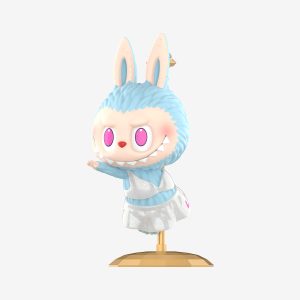
In recent years, the world of designer toys has expanded beyond the boundaries of Asia, reaching deep into the cultural heart of Europe. Among the most fascinating <a href="https://labubuco.de/">labubu</a> figures leading this creative movement is Labubu, a mischievous yet endearing creature from the imagination of Hong Kong artist Kasing Lung. Known for its wide grin, sharp teeth, and hauntingly cute demeanor, Labubu has evolved from a niche collectible into a symbol of playful artistry and emotional storytelling. In Germany, this rise has been nothing short of remarkable—an intersection of fantasy, craftsmanship, and contemporary European design sensibility.
The Origin of Labubu: From Hong Kong to the World
Labubu first emerged as part of the designer toy revolution in Asia, spearheaded by POP MART, one of the most influential collectible toy companies globally. Kasing Lung created Labubu as a character inspired by fairy tales, childhood memories, and surreal dreamscapes. With a distinctive blend of eerie charm and innocence, Labubu captures emotions that are difficult to express through words—nostalgia, loneliness, and joy coexisting in the same expression.
As the designer toy scene matured in Asia, Labubu became an icon among collectors who sought art beyond conventional forms. Its growing popularity led to collaborations, exhibitions, and limited-edition releases that sold out within minutes. This global recognition inevitably reached Germany, a country renowned for its deep appreciation of art, design, and craftsmanship.
Labubu’s Arrival in Germany: A Cultural Encounter
Germany, with its legacy of Bauhaus minimalism and expressive modern art, may seem like an unlikely home for a quirky toy character like Labubu. Yet, this contrast has proven to be the key to its success. The country’s creative community—particularly in cities like Berlin, Hamburg, and Munich—has long celebrated experimentation and storytelling through design.
When Labubu entered the German market, it resonated immediately with a new generation of collectors who viewed art toys not as mere trinkets but as vessels of emotion and identity. Pop-up stores and exhibitions in Berlin showcased Labubu figures as collectible art pieces, often displayed alongside contemporary paintings, sculptures, and photography. The fusion of Eastern whimsy with European artistic rigor created a unique aesthetic dialogue—one that reflected Germany’s growing openness to cross-cultural artistic forms.
Why Germany Fell in Love with Labubu
The German audience’s fascination with Labubu stems from a deeper cultural shift toward valuing individuality and emotional connection in art. In an age dominated by digital culture and mass production, Labubu represents authenticity and imperfection. Each figure, whether part of a blind box series or a limited-edition release, embodies a handcrafted sensibility that mirrors the intimacy of traditional European craftsmanship.
Moreover, Labubu’s emotional storytelling aligns with Germany’s contemporary art scene, which often embraces the surreal and the psychological. The character’s unsettling smile evokes feelings of nostalgia, melancholy, and playfulness—emotions deeply embedded in German expressionism and postmodern art. Collectors often describe their Labubu figures as “companions,” each one reflecting a part of their inner world.
Labubu and the Evolution of the European Collectible Scene
Germany’s embrace of Labubu also signals a broader transformation in Europe’s approach to collectibles. Designer toys, once considered a niche market, have now found a respected place within art galleries, design fairs, and cultural festivals. Collectors are no longer limited to action figures or memorabilia; they are investing in narrative-driven art objects that merge imagination with design.
Labubu has helped redefine this landscape by bridging the gap between pop culture and fine art. The figure’s presence in German art events such as Design Week Berlin and ToyCon Europe demonstrates the growing legitimacy of collectible culture. Art critics now discuss Labubu in the same breath as contemporary art movements, viewing it as a symbol of creative globalization—where East Asian storytelling meets Western conceptual design.
The Community Behind the Character
Perhaps the most powerful force behind Labubu’s success in Germany is the passionate community that surrounds it. Collectors, artists, and designers form an ever-growing network connected through social media and live events. Online groups share unboxing videos, trade rare editions, and discuss upcoming releases with the enthusiasm of art connoisseurs.
This sense of belonging goes beyond consumerism—it’s about participating in a shared creative experience. Many German collectors describe Labubu as an emotional link to childhood, nostalgia, and imagination. The excitement of discovering a new edition or connecting with fellow fans mirrors the communal energy of art movements that thrive on collaboration and cultural exchange.
Collaborations and Artistic Integration
One of the reasons Labubu continues to captivate Germany is its ability to transcend genres through collaboration. From fashion partnerships to exclusive releases with German design studios, Labubu has integrated itself into the European creative ecosystem. Some collaborations reinterpret the character using sustainable materials or minimalist aesthetics, blending German design principles with Labubu’s chaotic charm.
Exhibitions in Berlin and Cologne have even reimagined Labubu in new contexts—paintings, sculptures, and digital projections that explore the creature’s personality beyond the toy form. These artistic reinterpretations demonstrate how Labubu has become more than a collectible—it is a canvas for creative expression, continually reshaped by cultural dialogue.
Labubu as a Symbol of Modern Storytelling
At its core, Labubu’s growing presence in Germany represents a shift in how stories are told and shared. The character embodies a modern mythology where imagination and identity merge. Its playful yet melancholic features invite interpretation, allowing each viewer to construct their own narrative.
This adaptability is what makes Labubu more than just a trend—it’s a reflection of the human need for connection through art. In Germany’s increasingly diverse and interconnected creative landscape, Labubu has become a universal symbol of emotion, bridging differences in culture, language, and artistic tradition.
The Future of Labubu in Germany and Beyond
As Labubu continues to charm collectors across Germany, its influence on European collectible culture grows stronger. New collaborations, art installations, and limited-edition releases are constantly redefining what it means to collect art in the 21st century. The line between “toy” and “art” is fading, replaced by a new form of cultural expression that values emotion, storytelling, and craftsmanship equally.
In the coming years, Labubu’s whimsical grin is likely to appear in more galleries, design fairs, and cultural spaces throughout Europe. It represents a future where playfulness and artistic depth coexist, where a simple character can inspire a movement that transcends borders.
Conclusion: The Magic of Whimsy and Art
“Labubu Germany: The Whimsical Character Redefining Collectible Culture in Europe” is more than a story about a toy—it is a reflection of how art can connect people across continents through shared imagination. Germany’s embrace of Labubu shows that the boundaries between art, design, and play are dissolving, making way for a new era of creativity.
Labubu stands as a reminder that even in a world of high technology and industrial production, the most powerful art forms are those that touch the human spirit. With its mischievous grin and boundless personality, Labubu continues to redefine what it means to collect, create, and dream—one smile at a time.